How Does a Tankless Water Heater Work?
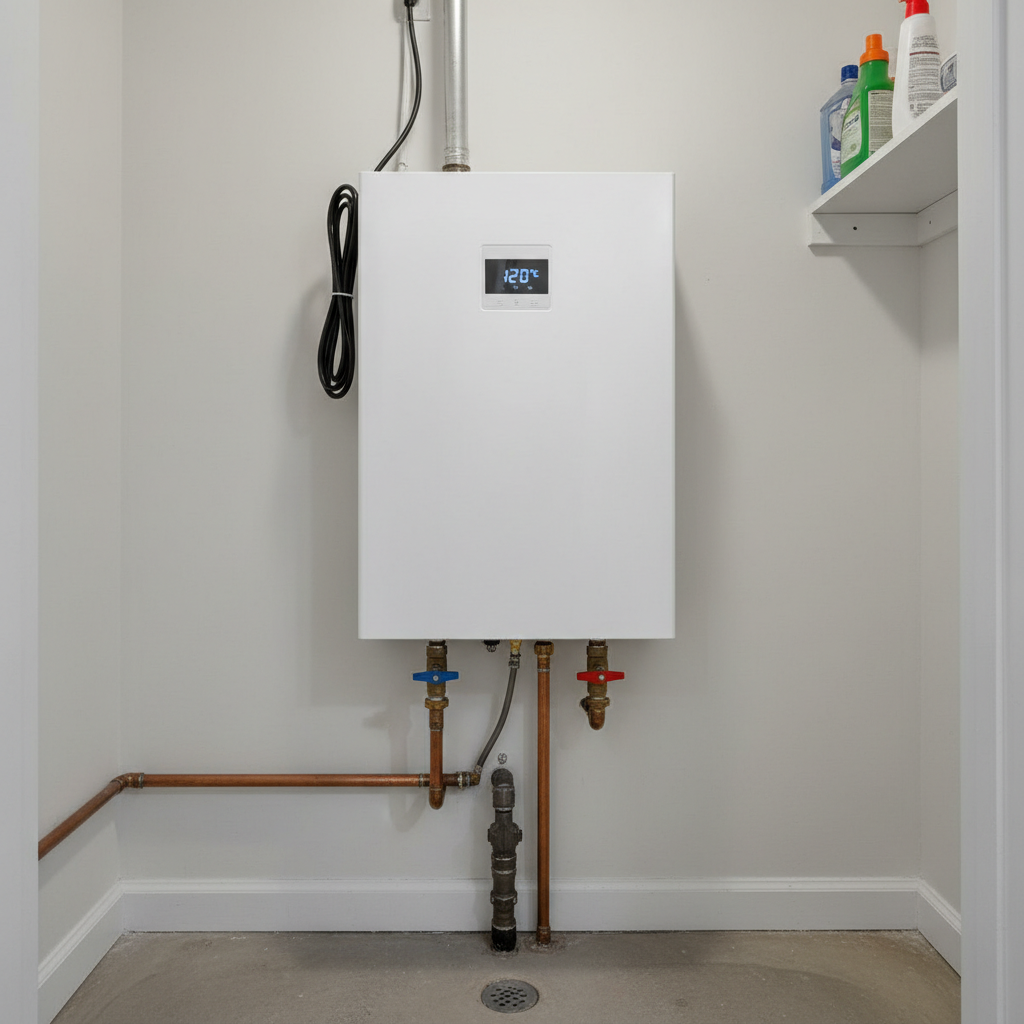
There’s nothing like running out of hot water mid-shower to make you rethink your plumbing setup. For many Athens homeowners, that moment leads to one question: Is it time to switch to a tankless water heater?
Tankless systems are often marketed as the “endless hot water” solution—but how do they actually work, and are they worth the investment?
A Guide for Homeowners
In this guide, we’ll break down how a tankless water heater works, how it compares to traditional systems, and what to expect if you’re considering an upgrade in Northeast Georgia.
If your current system is already struggling, it may be worth exploring water heater repair and installation services before making a decision.
What Is a Tankless Water Heater?
A tankless water heater—also known as an on-demand system—heats water only when you need it. Unlike traditional units that store and constantly reheat a tank of water, tankless systems activate the moment you turn on a faucet, shower, or appliance.
That means:
- No stored water sitting in a tank
- No waiting for reheating cycles
- A continuous supply of hot water (within system limits)
At its core, the difference is simple: water is heated in real time instead of being stored and reheated throughout the day.
Types of Tankless Water Heaters
Not all tankless systems are the same. The right option depends on your home’s size, layout, and water usage.
Gas Tankless Water Heaters
Gas-powered systems heat water quickly and can support multiple fixtures at once, making them ideal for larger households.
Best for :
- Whole-home systems
- Homes with multiple bathrooms
- Simultaneous water usage
Electric Tankless Water Heaters
Electric units are smaller and often easier to install, making them a practical option for smaller homes or targeted applications.
Best for :
- Lower installation complexity
- Apartments or smaller homes
- Single fixtures or point-of-use setups
How Does a Tankless Water Heater Work?
When you turn on hot water, cold water flows through the unit and is heated instantly by either a gas burner or an electric heating element.
Here’s what happens behind the scenes:
- You turn on a hot water tap
- Cold water enters the system
- A flow sensor activates the heating element
- Water is heated as it passes through the unit
- Hot water is delivered directly to your fixture
Because there’s no storage tank, the system continues heating water as long as there’s demand. That’s what gives tankless systems their reputation for consistent, uninterrupted hot water.
Tankless vs Traditional Water Heaters: What’s the Difference?
The biggest difference between tankless and traditional water heaters comes down to how water is heated and stored.
Traditional Water Heaters
- Store and heat a fixed amount of water
- Reheat water throughout the day
- Can run out of hot water
- Lower upfront cost
Tankless Water Heaters
- Heat water on demand
- No storage tank
- Provide continuous hot water
- Higher upfront investment
Traditional systems are dependable, but once the tank empties, you’re waiting. Tankless systems remove that limitation—but they require proper sizing to keep up with demand.
Pros and Cons of Tankless Water Heaters
Like any upgrade, tankless systems come with trade-offs.
Pros
- Continuous hot water without running out
- Improved energy efficiency
- Compact, space-saving design
- Longer lifespan than traditional tanks
cons
- Higher upfront installation cost
- May require gas line or electrical upgrades
- Limited output if too many fixtures are run at once
- Installation is more complex
For most homeowners, the decision comes down to balancing upfront cost with long-term performance and convenience.
Are Tankless Water Heaters Worth It in Athens, GA?
In Athens and across Northeast Georgia, tankless water heaters can be a strong long-term investment—especially for households that use hot water consistently throughout the day.
They’re often worth it if:
- You regularly run out of hot water
- You want better energy efficiency
- You plan to stay in your home long-term
- You’re upgrading an older plumbing system
They may not be the best fit if:
- You’re looking for the lowest upfront cost
- Your home requires major upgrades to support installation
Local experience matters here. Working with a plumber who understands Athens-area homes ensures your system is sized and installed correctly from the start.
Cost of a Tankless Water Heater in Athens, GA
One of the most common questions homeowners ask is what a tankless system actually costs.
In Athens, GA, most tankless water heater installations fall between $3,000 and $7,000, depending on several factors:
- Size and capacity of the system
- Gas vs. electric configuration
- Upgrades to gas lines or electrical systems
- Venting requirements
- Labor and installation complexity
While the upfront cost is higher than a traditional system, tankless units often last longer and operate more efficiently—making them a worthwhile investment for many homeowners over time.
The best way to get an accurate estimate is to have a professional evaluate your home and usage needs.
Signs It’s Time to Upgrade to a Tankless System
Not sure if it’s time to replace your current water heater? These signs are usually a good indicator:
- Your system is more than 10–12 years old
- You’re running out of hot water frequently
- Water temperature is inconsistent
- Energy bills are increasing
- You’re dealing with repeated repairs
If your system is already failing, replacing it with a more efficient solution can save time, money, and frustration.
Professional Tankless Water Heater Installation in Athens, GA
Tankless systems aren’t a simple swap. Proper installation requires evaluating your home’s plumbing, electrical, and gas systems.
That’s why professional installation matters.
At Seay Plumbing, our team handles everything from system selection to full installation, ensuring your system performs the way it should from day one. With over 20 years of serving Northeast Georgia, they focus on transparent recommendations and reliable work—not upsells.
If you’re dealing with no hot water or a sudden failure, you can also rely on 24/7 emergency plumbing services to stabilize the situation quickly.
Tankless Water Heater FAQs
What is a tankless water heater?
A tankless water heater heats water on demand instead of storing it in a tank, providing a continuous supply of hot water.
How long do tankless water heaters last?
Most tankless systems last between 15 and 20 years, which is longer than many traditional systems.
Are tankless water heaters worth the cost?
They can be, especially for homeowners who value energy efficiency, longer lifespan, and consistent hot water.
Can a tankless water heater run out of hot water?
Not in the traditional sense, but it can be limited if too many fixtures are used at once.
Do tankless water heaters require maintenance?
Yes. Regular maintenance helps maintain efficiency and extend the system’s lifespan.
Ready to Never Worry About Hot Water Again?
If you’re considering upgrading to a tankless water heater in Athens, GA, the next step is a professional evaluation.
Call 706-540-9518 or contact Seay Plumbing online to schedule your consultation today.